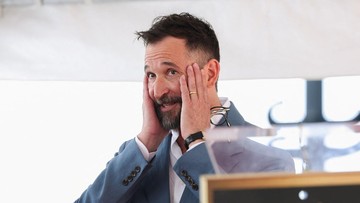
‘It’s not my pain. There’s a responsibility in that’: Thea Gilmore on writing songs from anonymous confessional voicemails

After tiring of writing about herself, the British singer-songwriter asked the public to share stories to inspire her music – and they responded in their thousands
‘This project has changed my whole thinking,” Thea Gilmore says of her new endeavour, The Echo Line. “What am I getting from it? All of humanity.” Disillusioned with the numbers-chasing music industry and wanting a break from her personal songwriting after releasing 22 folk-orientated albums since 1998, the 46-year-old is “putting people back at the centre of it. I’ve said enough about me.”
Community building has been key to the Oxford singer-songwriter’s work since debut Burning Dorothy, released when she was just 18, through to her 00s breakthrough albums Avalanche and Harpo’s Ghost all the way to her most recent studio album, 2023’s Thea Gilmore: a body of work that has won Gilmore admiration from Bruce Springsteen, Richard Thompson and collaborator Joan Baez.
But The Echo Line goes even further. Akin to a musical iteration of Nick Cave’s interactive fan advice column The Red Hand Files, Gilmore invites people to leave her an anonymous voicemail or written message via The Echo Line website about anything they want – hopes and dreams, fears and confessions, triumphs and tribulations – to which people have obliged with bravery and honesty in their thousands. Gilmore then writes a song inspired by one or more messages and uploads it to the website for a limited time only.
When it was launched in January, Gilmore was unsure if anyone would call, or even notice – she currently has no management, label or press team – but received 150 messages within two days. The fourth and latest song of the project He Walks Like War was listened to more than 10,000 times before it was taken down. Songs initially remained available for just one week – “music is so disposable and available all the time, I wanted to see what happened if I took it away again” – though demand for He Walks Like War meant Gilmore relented and kept the song up for several weeks.
Kutipan awal dari The Guardian Culture, ditulis oleh Shaun Curran. Hak cipta artikel milik penerbit.