‘The audience gets to be in on it’: How narrative-led gameplay is Call of Duty’s greatest weapon
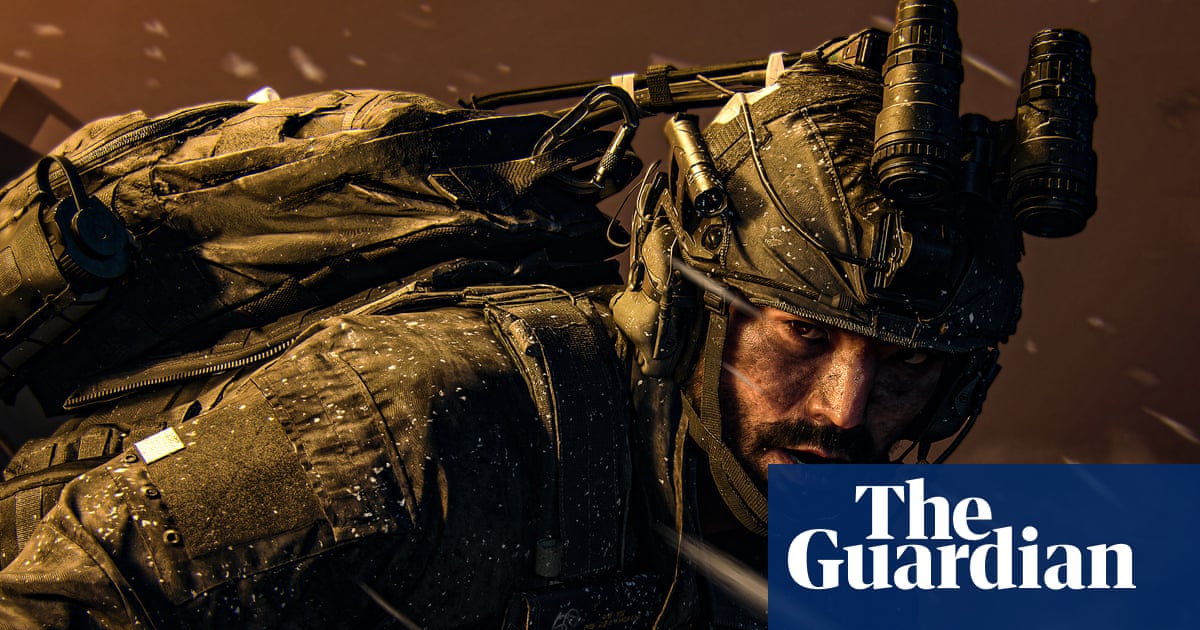
As video games chase spectacle, Modern Warfare 4 makes a case for putting character and consequence at the heart of its biggest battles
In these strange, subdued weeks before the much-anticipated release of Grand Theft Auto VI, there have still been some welcome surprises. Onimusha: Way of the Sword revived a half-forgotten samurai action series with much aplomb, while Silent Hill: Townfall transported all of the franchise’s bloody, dread-filled psychological horror to … the picturesque Scottish coast. Even more shocking to games writers, though, is the fact that the forthcoming Modern Warfare 4 has one of the best Call of Duty campaign modes for at least six years – and might even be up there with the original Modern Warfare trilogy.
The setting is an invasion of South Korea by its northern neighbour – a setup that could have fuelled a hundred instantly forgettable Netflix films, but has proved controversial in a video game. The authoritarian regime has a new (fictitious) ruler and a powerful experimental weapon, which it’s not afraid to use as the opening gambit in an explosive attack. You take on the role of Park Hyun Jun, a conscripted South Korean soldier who, along with his small unit of similarly inexperienced grunts, gets caught in the firestorm as cities burn and enemy paratroopers fill the skies.
On the other side of the globe, meanwhile, series hero Capt John Price has gone rogue, teaming up with cartel boss Valeria Garza to track down his nemesis, Makarov. How these narrative strands intertwine is the propulsive engine of the story, and along the way this game throws an arsenal of gigantic set-piece battles at you, edging you closer to a layered finale.
Kutipan awal dari The Guardian Games, ditulis oleh Keith Stuart. Hak cipta artikel milik penerbit.